Showing posts with label books. Show all posts
Showing posts with label books. Show all posts
Wednesday, October 17, 2012
Just for Fun
I found, while digging through the archives on someone's blog, a list of books. Added here!
1) Look at the list and bold those you have read.
2) Italicize those you intend to read.
3) Underline the books you love.
4) Strike out the books you have no intention of ever reading, or were forced to read at school and hated.
The List
1 Pride and Prejudice - Jane Austen
2 The Lord of the Rings - JRR Tolkien
3 Jane Eyre - Charlotte Bronte
4 The Harry Potter Series - JK Rowling (Why is this in the Best Books Evar list?)
5 To Kill a Mockingbird - Harper Lee
6 The Bible (I've read more of it than I'd like)
7 Wuthering Heights - Emily Bronte
8 Nineteen Eighty Four - George Orwell
9 His Dark Materials - Philip Pullman (I think someone forgot the word "series")
10 Great Expectations - Charles Dickens
11 Little Women - Louisa M Alcott
12 Tess of the D’Urbervilles - Thomas Hardy
13 Catch 22 - Joseph Heller
14 Complete Works of Shakespeare
15 Rebecca - Daphne Du Maurier
16 The Hobbit - JRR Tolkien
17 Birdsong - Sebastian Faulks
18 Catcher in the Rye - JD Salinger
19 The Time Traveller’s Wife - Audrey Niffenegger
20 Middlemarch - George Eliot
21 Gone With The Wind - Margaret Mitchell
22 The Great Gatsby - F Scott Fitzgerald
23 Bleak House - Charles Dickens
24 War and Peace - Leo Tolstoy
25 The Hitch Hiker’s Guide to the Galaxy - Douglas Adams
26 Brideshead Revisited - Evelyn Waugh
27 Crime and Punishment - Fyodor Dostoyevsky
28 Grapes of Wrath - John Steinbeck
29 Alice in Wonderland - Lewis Carroll
30 The Wind in the Willows - Kenneth Grahame
31 Anna Karenina - Leo Tolstoy
32 David Copperfield - Charles Dickens
33 Chronicles of Narnia - CS Lewis
34 Emma - Jane Austen
35 Persuasion - Jane Austen
36 The Lion, The Witch and The Wardrobe - CS Lewis (why is this on here twice?)
37 The Kite Runner - Khaled Hosseini (I think this was overhyped)
38 Captain Corelli’s Mandolin - Louis De Bernieres
39 Memoirs of a Geisha - Arthur Golden (not sure it should be included)
40 Winnie the Pooh - AA Milne
41 Animal Farm - George Orwell
42 The Da Vinci Code - Dan Brown (Don't think this should be here)
43 One Hundred Years of Solitude - Gabriel Garcia Marquez
44 A Prayer for Owen Meaney - John Irving
45 The Woman in White - Wilkie Collins
46 Anne of Green Gables - LM Montgomery
47 Far From The Madding Crowd - Thomas Hardy
48 The Handmaid’s Tale - Margaret Atwood (Oh please remove it from life)
49 Lord of the Flies - William Golding
50 Atonement - Ian McEwan
51 Life of Pi - Yann Martel
52 Dune - Frank Herbert
53 Cold Comfort Farm - Stella Gibbons
54 Sense and Sensibility - Jane Austen
55 A Suitable Boy - Vikram Seth
56 The Shadow of the Wind - Carlos Ruiz Zafon
57 A Tale of Two Cities - Charles Dickens
58 Brave New World - Aldous Huxley
59 The Curious Incident of the Dog in the Night-time - Mark Haddon (Hate hate hate the writing style of this book)
60 Love In The Time Of Cholera - Gabriel Garcia Marquez
61 Of Mice and Men - John Steinbeck
62 Lolita - Vladimir Nabokov
63 The Secret History - Donna Tartt
64 The Lovely Bones - Alice Sebold
65 Count of Monte Cristo- Alexandre Dumas
66 On The Road - Jack Kerouac
67 Jude the Obscure - Thomas Hardy
68 Bridget Jones’s Diary - Helen Fielding
69 Midnight’s Children - Salman Rushdie
70 Moby Dick - Herman Melville
71 Oliver Twist - Charles Dickens
72 Dracula - Bram Stoker
73 The Secret Garden - Frances Hodgson Burnett
74 Notes From A Small Island - Bill Bryson
75 Ulysses - James Joyce,/br>
76 The Bell Jar - Sylvia Plath
77 Swallows and Amazons - Arthur Ransome
78 Germinal - Emile Zola
79 Vanity Fair - William Makepeace Thackeray
80 Possession - AS Byatt
81 A Christmas Carol - Charles Dickens
82 Cloud Atlas - David Mitchell
83 The Color Purple - Alice Walker
84 The Remains of the Day- Kazuo Ishiguro
85 Madame Bovary - Gustave Flaubert
86 A Fine Balance - Rohinton Mistry
87 Charlotte’s Web - EB White
88 The Five People You Meet In Heaven - Mitch Albom (I hate this kind of book)
89 Adventures of Sherlock Holmes - Sir Arthur Conan Doyle
90 The Faraway Tree Collection - Enid Blyton
91 Heart of Darkness - Joseph Conrad
92 The Little Prince - Antoine de Saint Exupery (Aussi, Le Petit Prince)
93 The Wasp Factory - Iain Banks
94 Watership Down - Richard Adams
95 A Confederacy of Dunces - John Kennedy Toole
96 A Town Like Alice - Nevil Shute
97 The Three Musketeers - Alexandre Dumas
98 Hamlet - William Shakespeare (and how is this different from the complete works of? wtf list writer)
99 Charlie and the Chocolate Factory - Roald Dahl (Not my fave Roald Dahl)
100 Les Miserables - Victor Hugo
The woman I got this list from observed that there is no Twain on this list. Also, where's Poe? There is a lot missing, honestly. Thankfully no Ayn Rand. It pisses me off to no end that the Bible gets included on these lists but not any other religious texts. Also, what is up with the duplication? I don't get that. I think there are also a great many equally important books that are not acknowledged here, and I think that even attempting to MAKE a top 100 list is folly. But fun!

Monday, July 16, 2012
Worries and Idiocy of a Sexual Nature -- Be Warned!
There is a serious problem going around. And no R, I'm not even talking about that rape joke you were discussing (which is horrid enough). It's 50 Shades of Grey and the rest of the series.
There are several things wrong with this series. The first and simplest being that it was written originally as Twilight fanfiction. The second being it's poorly written in general.
But the most serious crime? It's an abusive relationship. But the author doesn't call it an abusive relationship. Oh no, that's just the NATURE of Dom/sub relationships! No. No it is not. And the problem with this is people are reading these books and going "oh that sounds sexy! Let's try this out!" without actually doing their research. And a great many people are going to hurt themselves and others by attempting to live out the books.
There are a lot of difficulties in navigating such a relationship, and communication is key to solving ALL of them. Communication in discovering boundaries. Communication in determining safe words and how to use them properly. Communication in what types of kink you're exploring. Leaving the sexual relationship to sex only, and having a comfortable relationship outside of the bedroom. (You can have a D/s relationship that is non-sexual, but I'm assuming for these purposes that we're talking about a sexual one.) Trust. Trust is the key here as well.
Another key point in a D/s relationship is that a Dom is not "superior" than a sub, they merely choreograph, so to speak. Anyone who goes into a D/s relationship and receives unwanted sex-shaming (calling you a slut, or a whore, etc.), intentional disregard of opinions and preferences -- these people are not Doms, they are insane. They need therapy to realize that people are humans, not sex-toys.
This is also not to say that there are no relationships that involve terms like 'slut' and 'whore'. There are some relationships where that is AGREED UPON and DISCUSSED as appropriate in the context of play. There are some relationships that use shame and punishment, in the context of play, and there are some that do not.
But it REALLY SCARES ME when someone talks about how their friend/s is/are convincing them to read 50 Shades of Grey. For f*ck's sake, the man's got mommy issues that he takes out on his partners! How disturbing can you get?
That being said, enjoy the ONLY version of 50 Shades of Grey that I find palatable.
Wednesday, June 22, 2011
Things to Keep Track Of

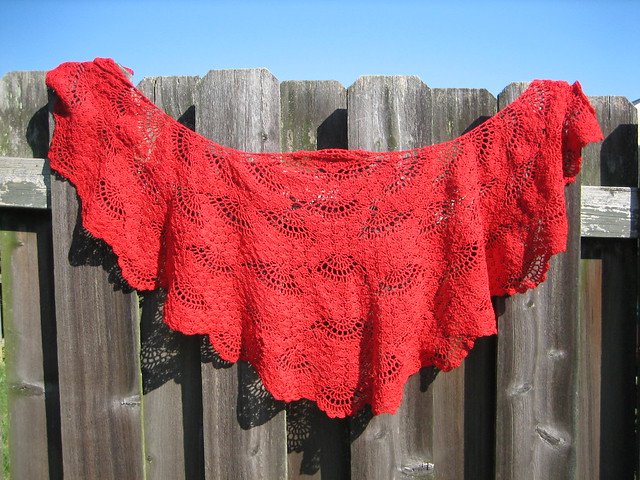
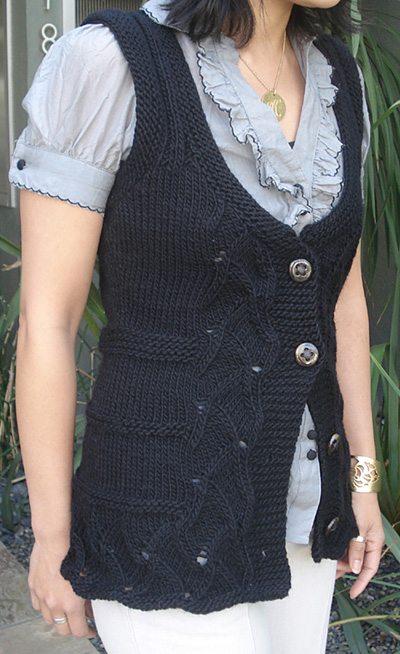
I would love to make some pillows like this for the living room!

Crocheted necklaces -- I can totally do this! (Perhaps I should open an etsy...)
Three Hundred Things a Bright Girl Can Do by Lilla Elizabeth Kelley, published 1903
Big flower accessories a possible favor/family gift for the ladies at the wedding?

High heeled saddle shoes!

Darling red high heels!
Wednesday, August 18, 2010
Corn

When I was a kid I was given a copy of the book "Monster Night at Grandma's House". A cute little kid scary story about following a monster through Grandma's house after she's gone to bed, chasing it outside and making sure it stays outside by staying on the porch swing until sunrise -- a cute book. However, I remember one part always confused me: when the kid would stay at Grandma's, sweet corn was in season, and they would eat nothing but corn for dinner, and enough until they were full to bursting. I always was confused as to why someone would want to eat that much corn!
Well folks, I have had 3.5 ears of corn for dinner and still want more. Just feeling the bits of corn between my teeth make me want it even more. I no longer am confused by my childhood book.
Monday, April 12, 2010
Old Book Review
It seems like everyone and their neighbors from the Czech Republic do Book and Movie Reviews of new and upcoming items on their blogs. Guess what folks -- I'm doing an OLD book, what now?
The book that I'm reviewing is the 1924 edition of "Physical Culture Cook Book". According to Wikipedia, "Physical culture is a term applied to health and strength training regimens, particularly those that originated during the 19th century. During the mid-late 20th century, the term "physical culture" became largely outmoded in most English-speaking countries, being replaced by terms such as "physical education", "fitness training" or simply "exercise"." This book is of a two part culmination of the magazine named after the movement.
http://www.riverflow.com/macfadden/pcmagreview/index.html
Look at the lovely picture of the author! He looks much crazier, less sexy in the picture of "Our Author" in my book.
So, with no further ado, I present: "Physical Culture Cook Book" by Bernarr Macfadden (Author of "Macfadden's Encyclopedia of Physical Culture," Eating for Health and Strength," "Strengthening the Eyes," "Hair Culture," "Manhood and Marriage," "The Miracle of Milk" and other works on Health and Sex) [N.B. -- capitalization upon sex the choice of the editor or author :-P]
******
One of the points that Macfadden mentions early in the book is that he merely calls this a cook book because it is a familiar term, not that it would be a typical cook book (of the time) (1). He spends the first 120 or so pages proselytizing about such diverse topics as: why you shouldn't use spices, how awesome raw diets are, and about these Cool New Discoveries: Vitamins. He is also a supporter of chewing everything -- even such things as soup, gruel and juice. Some of his points are very interesting, and all of it has the flavor of KNOWING how perfectly "scientific" one is being, as well as being so terribly dated.
Yet, a lot of what he says is being said time and again. "Eat whole grains over denatured white flour", "eat less meat", etc. But, some of it is just wrong. For example, the author claims that some bodies just digest better than others -- and that this explains weight disparities (2).
He also offers ways to judge quality food over bad, labor saving options, ways to set a table so that it is both simple and attractive (he's a fan of flowers), and a brief description of methods of cooking. When reading this type of book, I always feel that the author just likes to hear themselves talk, and they'd probably not be a guest I'd make the mistake of inviting to dinner twice.
However accurate or inaccurate his sermons are, they are entertaining. And that brings us to the "meat" of the book: the actual recipes.
The recipes in the book appear to be fairly straightforward, and simple. The author offers no pretense otherwise. He wrote the book as a reaction to the over-done Victorian-into-Gilded Age eating and entertaining styles. Each section offers a little description of the food to be covered, and goes into recipes. For simple ones, the recipe is in paragraph form; for more complex, the ingredients are before, with the instructions in paragraph form.
Overall, I would not consider it a bad $9 spent (a local used book store -- the book is not in great condition). His actual instruction is more entertaining than informative as it is so dated -- as some of his suggestions were to fast for 2 or 3 weeks until appetite returns, I would fear for someone's safety if they were following too closely to his words.
The recipes I would consider basic and hearty enough to merit it being given to a beginner, or someone starting out who wants a basic "kitchen bible". BF and I are constantly at war over our OWN preferences for "kitchen bible" [I like Fanny Farmer, he likes Joy of Cooking], but this covers enough territory to make it worthwhile. The only thing I would be leery of giving to a beginner is such fun instructions as "Bake in a medium hot oven for 30 minutes". If the person I was to give this to already had an idea of how to cook, but merely needed reference often -- this would be an excellent choice.
Overall usability: A-
Beginner's usability: C
Accuracy in statements: C-
A fun read! I always enjoy old cookbooks -- especially the "scientific" ones like this one and my second edition Boston School of Cooking (a.k.a. Fanny Farmer).
(1) "In the recipes of this book you will find many dishes that are composed partly or wholly of uncooked foods. The name 'Cook Book' is thus not wholly accurate, the more exact title would be 'Food Preparation Book'; however, we use the more familiar term." (41)
(2) "Some people are naturally small eaters. Sometimes they are above the normal in weight. It is because of good assimilation. You may find others who are below weight, and yet eat more food than those who are heavier in proportion to their height. They do not digest what they eat." (24)
The book that I'm reviewing is the 1924 edition of "Physical Culture Cook Book". According to Wikipedia, "Physical culture is a term applied to health and strength training regimens, particularly those that originated during the 19th century. During the mid-late 20th century, the term "physical culture" became largely outmoded in most English-speaking countries, being replaced by terms such as "physical education", "fitness training" or simply "exercise"." This book is of a two part culmination of the magazine named after the movement.
http://www.riverflow.com/macfadden/pcmagreview/index.html
Look at the lovely picture of the author! He looks much crazier, less sexy in the picture of "Our Author" in my book.
So, with no further ado, I present: "Physical Culture Cook Book" by Bernarr Macfadden (Author of "Macfadden's Encyclopedia of Physical Culture," Eating for Health and Strength," "Strengthening the Eyes," "Hair Culture," "Manhood and Marriage," "The Miracle of Milk" and other works on Health and Sex) [N.B. -- capitalization upon sex the choice of the editor or author :-P]
******
One of the points that Macfadden mentions early in the book is that he merely calls this a cook book because it is a familiar term, not that it would be a typical cook book (of the time) (1). He spends the first 120 or so pages proselytizing about such diverse topics as: why you shouldn't use spices, how awesome raw diets are, and about these Cool New Discoveries: Vitamins. He is also a supporter of chewing everything -- even such things as soup, gruel and juice. Some of his points are very interesting, and all of it has the flavor of KNOWING how perfectly "scientific" one is being, as well as being so terribly dated.
Yet, a lot of what he says is being said time and again. "Eat whole grains over denatured white flour", "eat less meat", etc. But, some of it is just wrong. For example, the author claims that some bodies just digest better than others -- and that this explains weight disparities (2).
He also offers ways to judge quality food over bad, labor saving options, ways to set a table so that it is both simple and attractive (he's a fan of flowers), and a brief description of methods of cooking. When reading this type of book, I always feel that the author just likes to hear themselves talk, and they'd probably not be a guest I'd make the mistake of inviting to dinner twice.
However accurate or inaccurate his sermons are, they are entertaining. And that brings us to the "meat" of the book: the actual recipes.
The recipes in the book appear to be fairly straightforward, and simple. The author offers no pretense otherwise. He wrote the book as a reaction to the over-done Victorian-into-Gilded Age eating and entertaining styles. Each section offers a little description of the food to be covered, and goes into recipes. For simple ones, the recipe is in paragraph form; for more complex, the ingredients are before, with the instructions in paragraph form.
Overall, I would not consider it a bad $9 spent (a local used book store -- the book is not in great condition). His actual instruction is more entertaining than informative as it is so dated -- as some of his suggestions were to fast for 2 or 3 weeks until appetite returns, I would fear for someone's safety if they were following too closely to his words.
The recipes I would consider basic and hearty enough to merit it being given to a beginner, or someone starting out who wants a basic "kitchen bible". BF and I are constantly at war over our OWN preferences for "kitchen bible" [I like Fanny Farmer, he likes Joy of Cooking], but this covers enough territory to make it worthwhile. The only thing I would be leery of giving to a beginner is such fun instructions as "Bake in a medium hot oven for 30 minutes". If the person I was to give this to already had an idea of how to cook, but merely needed reference often -- this would be an excellent choice.
Overall usability: A-
Beginner's usability: C
Accuracy in statements: C-
A fun read! I always enjoy old cookbooks -- especially the "scientific" ones like this one and my second edition Boston School of Cooking (a.k.a. Fanny Farmer).
(1) "In the recipes of this book you will find many dishes that are composed partly or wholly of uncooked foods. The name 'Cook Book' is thus not wholly accurate, the more exact title would be 'Food Preparation Book'; however, we use the more familiar term." (41)
(2) "Some people are naturally small eaters. Sometimes they are above the normal in weight. It is because of good assimilation. You may find others who are below weight, and yet eat more food than those who are heavier in proportion to their height. They do not digest what they eat." (24)
Wednesday, February 3, 2010
Notes from Sharon's on Books and Herbs
In January, I went to an internship weekend at the lovely Sharon Astyk's. We milked goats, chatted, ate food, chatted, knitted, chatted, hauled wood for the cookstove and just all around had a good time. Guess who's good at milking goats? Me! :-P
But I took down a bunch of notes in my little Moleskine (the poor thing is split all down the side! :-( ) and I should put them here for ease of access.
Et voila:
Random Books and Periodicals
Small Farmers Journal
Heirloom Gardner Magazine
Murray McMurray Catalogue (chickens)
Artisan book series: The _______ Pantry (i.e., Mediterranean)
Build Your Own Earth Oven Kiko Denzer
The Complete Tightwad Gazette Amy Dacyczyn (pronounced "decision")
Herbal and Medical Texts
The Herbal Home Remedy Book by Joyce A. Wardwell **Sharon's pick**
The Earthwise Herbal by Matthew Wood **buy this later on in your herbalism study**
The Herbal Medicine-Maker's Handbook James Green **this and the book below are both excellent**
Making Plant Medicine Richo Cech
Growing 101 Herbs That Heal Tammi Hartung **best GROWING book**
Identifying and Harvesting Edible and Medicinal in Wild (and Not So Wild) Places Steve Brill with Evelyn Dean **B/W line drawings**
Weeds of the Northeast Richard Uva, Joseph C. Neal, Joseph DiTomaso
Childbearing Year Susun Weed
Herbal Healing for Women Rosemary Gladstar
Herbal Handbook for Farm and Stable Juliette de Bairacli Levy **also has one for cat and dog**
The Male Herbal James Green
Healing Wise Susun Wood **very touchy feely**
Herbal Renaissance Steven Foster
Herbal AntibioticsStephen Harrod Buhner **apocalypse book!**
Sacred and Healing Herbal Beers Stephen Harrod Buhner
Family Herbal Rosemary Gladstar
A Kid's Herb Book Leslie Tierra
A Weaver's Garden Rita Buchanan **also A Dyer's Garden**
The Village Herbalist Nancy and Michael Phillips **Sharon's pick**
Herbs For Sale Lee Sturdivant
The Complete Illustrated Holisitic Herbal David Hoffman
The Complete Medicinal Herbal Penelope Ody ** Sharon's pick**
Sharon's Starter Selection
How To Live On Almost Nothing and Have Plenty Janet Chadwick
The Contrary Farmer Gene Logsdon **or anything else by him :-P**
The Encyclopedia of Country Living Carla Emery ** everyone's pick!**
Four-Season Harvest Eliot Coleman
The Complete Book of Composting Rodale Books
Seed to Seed Suzanne Ashworth
The New Seed Starters Handbook Nancy Bubel
Anything Grows! Sheryl London
The Bountiful Container McGee and Stuckley's
Incredible Vegetables from Self-Watering Containers Edward Smith ** recommend take out of library
1001 Old Time Garden Tips Roger Yepsen
Gaia's Garden Toby Hemenway
Toolbox for Sustainable City Living Scott Kellogg and Stacy Pettigrew
Idiot's Guide to Vegetable Gardening
How To Grow More Vegetables John Jeavons
The New Victory Garden Bob Thompson ** from the 70s**
Storey's Guide to Raising Dairy Goats Jerry Belanger
Root Cellaring Mike and Nancy Bubel
Herbalism Notes
- Sasparilla pulls heavy metals out of people
- Mullein or Garlic Oil for earaches
* if mullein grows crooked, it's in polluted/heavy metal ground
* mullein, sunflower, and sumac pull heavy metals and remediate your ground (if you compost the plants elsewhere!)
- anise hyssop: great digestive aid, works in tea, leaves and flowers are usable
- garbling: after drying herbs on a stem, the process of crumbling the leaves off of the stem
- elecampane: dig up the root in 2nd year in fall or spring, dehydrate; immune stimulant, anti-inflammatory, used in tea or tincture
- valerian: anxiety, anti-depressant, some get jittery, valerian roots are used -- dig in fall or early spring
- viburnum (cramp bark): "cranberry bark viburnum" loves wet soil, sweetened berries for bird food. Use inner bark, harvest in winter. Don't fully girdle a tree, or it'll die. Dry inner bark, use in tea or tincture
- meadowsweet: flowers and leaves are used, asprin plant, loves damp ground, harvest when it first comes into flower
- willow bark: use the inner bark, harvest in winter, asprin plant, use in tea or tincture
- rose petals: soothing scent and can make jelly
- rose hips: dry (slice to dry) and use for Vitamin C, use in tea or straight, harvest when ripe (looks like a ripe berry)
- hawthorn berries: used for heart irregularities, use tea or eat straight, flowers can be used in tea or tincture
- motherwort: heart herb, leaves in tea or tincture, "cardiac stability", commonly given to laboring women to ease pain without relieving contractions
- raspberry leaf: helps uterus contract, menstrual cramps, good for menopause, use in tea
- chamomile: relaxing tea, milk pain reliever, can be given to infants, use stems in tea for cramps
- nettle: leaf and green seed are used, blood cleaners, high in iron, harvest with GLOVES
- calendula: blossoms are used, "pot marigolds", diaper rash, use in oil or cream, skin injury, burns
- comphrey: use for wounds -- can use a "spit poultice" -- chew it up, don't swallow, spit onto wound; green leaves for rabbits/goats after birth -- also good every day for them
- yarrow: soft bendable stem, leaves and flowers are used, immune stimulant, tincture or tea
- feverfew: use for migraines, really bitter, can eat fresh, flowers and leaves, tea, tincture or fresh
- betony (stachys officianalis): headaches, tincutre or tea, likes part shade, wet or dry, used as a tea substitute
- lambs ear: makes good bandaids, do not take during pregnancy, but can during labor, mouthwash
- scullcap: headache hearb, leaves and flowers, can mix with betony or feverfew, tincture or tea
- red clover: blood thinner, cholesterol lowerer, anti-oxidant, nice tea, maybe for allergy, dried/fresh aerial parts
- slippery elm bark: food -- if you're throwing up, it'll be the only thing you can keep down and keep you hydrated. Mix inner bark (dried and ground up) with water, maybe add a little honey. Does NOT reduce nausea.
- wormwood (artemisia absinthium): used for deworming, used as tea. NOT for pregnant women or people with liver problems.
- mugwort (artemisia vulgaris): used in tea or tincture, appetite stimulant, used to combat irregular periods
- pennyroyal: abortive, oil is toxic, can be used as flea control
- elderberry: vitamin c
- lavender: upset stomach
- marshmallow root: chop to dry, dry it, used for coughs, used in tea, NOT for tincture
- catnip: sedative, can give to young children, good for cholic, stomach relaxant, gas, cramping, will dry a rabbit's milk
- catmint: just a good tea
- lemon verbena: just smells good -- the plant will appear to die so don't worry!
- blackberry: root for diarrhea
- burdock: increasing urine, helps liver
- dandelion: very nutritional, stimulate urine
- garlic: anti-oxidant
Recipes... of a sort
* with comphrey, beeswax and olive oil [cook comphrey in water just a little to soften, then infuse into olive oil, mix with beeswax] use as a lotion for those mere flesh wounds in your life
* 350 mL cheap vodka, qt. raspberries, couple lemons, bunch of lemon verbena leaves -- mash raspberries, squeeze lemons, throw in leaves, 2 c. sugar, pour vodka over and let sit for a few weeks, turning occasionally
* lavender flower, dill seeds, and peppermint tea for upset stomach
* ginger tea for nausea
* catnip and chamomile for calming tea
* honey, lemon and ground culinary flax for coughs
* whiskey with honey helps coughs and helps sleep
* sage tea is good for hot flashes
* sage dries up breast milk
* raspberry leaves, nettle leaves, alfalfa leaves (anti-oxident), oat straw tea -- high in calcium, mild relaxant
Miscellaneous
* decoction: steep in hot water
* infusion: bring to a boil with herbs, steep for a while
* ATTRA: free brochure on how to secure land -- government program
* Abebooks.com: a place to get books fairly cheap
* mangle beets: use for animal feed, up to 35 lbs. Bountiful Gardens, FedCo, Seed Savers, etc.
* officinalis means it was the official medicinal plant used (in lieu of other varieties)
* Vitamin C will help constipation
* oregano is good anti-fungal and anti-biotic
* ginko as tea helps blood circulation
* gotu kola leaves are good for alzheimers
But I took down a bunch of notes in my little Moleskine (the poor thing is split all down the side! :-( ) and I should put them here for ease of access.
Et voila:
Random Books and Periodicals
Small Farmers Journal
Heirloom Gardner Magazine
Murray McMurray Catalogue (chickens)
Artisan book series: The _______ Pantry (i.e., Mediterranean)
Build Your Own Earth Oven Kiko Denzer
The Complete Tightwad Gazette Amy Dacyczyn (pronounced "decision")
Herbal and Medical Texts
The Herbal Home Remedy Book by Joyce A. Wardwell **Sharon's pick**
The Earthwise Herbal by Matthew Wood **buy this later on in your herbalism study**
The Herbal Medicine-Maker's Handbook James Green **this and the book below are both excellent**
Making Plant Medicine Richo Cech
Growing 101 Herbs That Heal Tammi Hartung **best GROWING book**
Identifying and Harvesting Edible and Medicinal in Wild (and Not So Wild) Places Steve Brill with Evelyn Dean **B/W line drawings**
Weeds of the Northeast Richard Uva, Joseph C. Neal, Joseph DiTomaso
Childbearing Year Susun Weed
Herbal Healing for Women Rosemary Gladstar
Herbal Handbook for Farm and Stable Juliette de Bairacli Levy **also has one for cat and dog**
The Male Herbal James Green
Healing Wise Susun Wood **very touchy feely**
Herbal Renaissance Steven Foster
Herbal AntibioticsStephen Harrod Buhner **apocalypse book!**
Sacred and Healing Herbal Beers Stephen Harrod Buhner
Family Herbal Rosemary Gladstar
A Kid's Herb Book Leslie Tierra
A Weaver's Garden Rita Buchanan **also A Dyer's Garden**
The Village Herbalist Nancy and Michael Phillips **Sharon's pick**
Herbs For Sale Lee Sturdivant
The Complete Illustrated Holisitic Herbal David Hoffman
The Complete Medicinal Herbal Penelope Ody ** Sharon's pick**
Sharon's Starter Selection
How To Live On Almost Nothing and Have Plenty Janet Chadwick
The Contrary Farmer Gene Logsdon **or anything else by him :-P**
The Encyclopedia of Country Living Carla Emery ** everyone's pick!**
Four-Season Harvest Eliot Coleman
The Complete Book of Composting Rodale Books
Seed to Seed Suzanne Ashworth
The New Seed Starters Handbook Nancy Bubel
Anything Grows! Sheryl London
The Bountiful Container McGee and Stuckley's
Incredible Vegetables from Self-Watering Containers Edward Smith ** recommend take out of library
1001 Old Time Garden Tips Roger Yepsen
Gaia's Garden Toby Hemenway
Toolbox for Sustainable City Living Scott Kellogg and Stacy Pettigrew
Idiot's Guide to Vegetable Gardening
How To Grow More Vegetables John Jeavons
The New Victory Garden Bob Thompson ** from the 70s**
Storey's Guide to Raising Dairy Goats Jerry Belanger
Root Cellaring Mike and Nancy Bubel
Herbalism Notes
- Sasparilla pulls heavy metals out of people
- Mullein or Garlic Oil for earaches
* if mullein grows crooked, it's in polluted/heavy metal ground
* mullein, sunflower, and sumac pull heavy metals and remediate your ground (if you compost the plants elsewhere!)
- anise hyssop: great digestive aid, works in tea, leaves and flowers are usable
- garbling: after drying herbs on a stem, the process of crumbling the leaves off of the stem
- elecampane: dig up the root in 2nd year in fall or spring, dehydrate; immune stimulant, anti-inflammatory, used in tea or tincture
- valerian: anxiety, anti-depressant, some get jittery, valerian roots are used -- dig in fall or early spring
- viburnum (cramp bark): "cranberry bark viburnum" loves wet soil, sweetened berries for bird food. Use inner bark, harvest in winter. Don't fully girdle a tree, or it'll die. Dry inner bark, use in tea or tincture
- meadowsweet: flowers and leaves are used, asprin plant, loves damp ground, harvest when it first comes into flower
- willow bark: use the inner bark, harvest in winter, asprin plant, use in tea or tincture
- rose petals: soothing scent and can make jelly
- rose hips: dry (slice to dry) and use for Vitamin C, use in tea or straight, harvest when ripe (looks like a ripe berry)
- hawthorn berries: used for heart irregularities, use tea or eat straight, flowers can be used in tea or tincture
- motherwort: heart herb, leaves in tea or tincture, "cardiac stability", commonly given to laboring women to ease pain without relieving contractions
- raspberry leaf: helps uterus contract, menstrual cramps, good for menopause, use in tea
- chamomile: relaxing tea, milk pain reliever, can be given to infants, use stems in tea for cramps
- nettle: leaf and green seed are used, blood cleaners, high in iron, harvest with GLOVES
- calendula: blossoms are used, "pot marigolds", diaper rash, use in oil or cream, skin injury, burns
- comphrey: use for wounds -- can use a "spit poultice" -- chew it up, don't swallow, spit onto wound; green leaves for rabbits/goats after birth -- also good every day for them
- yarrow: soft bendable stem, leaves and flowers are used, immune stimulant, tincture or tea
- feverfew: use for migraines, really bitter, can eat fresh, flowers and leaves, tea, tincture or fresh
- betony (stachys officianalis): headaches, tincutre or tea, likes part shade, wet or dry, used as a tea substitute
- lambs ear: makes good bandaids, do not take during pregnancy, but can during labor, mouthwash
- scullcap: headache hearb, leaves and flowers, can mix with betony or feverfew, tincture or tea
- red clover: blood thinner, cholesterol lowerer, anti-oxidant, nice tea, maybe for allergy, dried/fresh aerial parts
- slippery elm bark: food -- if you're throwing up, it'll be the only thing you can keep down and keep you hydrated. Mix inner bark (dried and ground up) with water, maybe add a little honey. Does NOT reduce nausea.
- wormwood (artemisia absinthium): used for deworming, used as tea. NOT for pregnant women or people with liver problems.
- mugwort (artemisia vulgaris): used in tea or tincture, appetite stimulant, used to combat irregular periods
- pennyroyal: abortive, oil is toxic, can be used as flea control
- elderberry: vitamin c
- lavender: upset stomach
- marshmallow root: chop to dry, dry it, used for coughs, used in tea, NOT for tincture
- catnip: sedative, can give to young children, good for cholic, stomach relaxant, gas, cramping, will dry a rabbit's milk
- catmint: just a good tea
- lemon verbena: just smells good -- the plant will appear to die so don't worry!
- blackberry: root for diarrhea
- burdock: increasing urine, helps liver
- dandelion: very nutritional, stimulate urine
- garlic: anti-oxidant
Recipes... of a sort
* with comphrey, beeswax and olive oil [cook comphrey in water just a little to soften, then infuse into olive oil, mix with beeswax] use as a lotion for those mere flesh wounds in your life
* 350 mL cheap vodka, qt. raspberries, couple lemons, bunch of lemon verbena leaves -- mash raspberries, squeeze lemons, throw in leaves, 2 c. sugar, pour vodka over and let sit for a few weeks, turning occasionally
* lavender flower, dill seeds, and peppermint tea for upset stomach
* ginger tea for nausea
* catnip and chamomile for calming tea
* honey, lemon and ground culinary flax for coughs
* whiskey with honey helps coughs and helps sleep
* sage tea is good for hot flashes
* sage dries up breast milk
* raspberry leaves, nettle leaves, alfalfa leaves (anti-oxident), oat straw tea -- high in calcium, mild relaxant
Miscellaneous
* decoction: steep in hot water
* infusion: bring to a boil with herbs, steep for a while
* ATTRA: free brochure on how to secure land -- government program
* Abebooks.com: a place to get books fairly cheap
* mangle beets: use for animal feed, up to 35 lbs. Bountiful Gardens, FedCo, Seed Savers, etc.
* officinalis means it was the official medicinal plant used (in lieu of other varieties)
* Vitamin C will help constipation
* oregano is good anti-fungal and anti-biotic
* ginko as tea helps blood circulation
* gotu kola leaves are good for alzheimers
Subscribe to:
Posts (Atom)